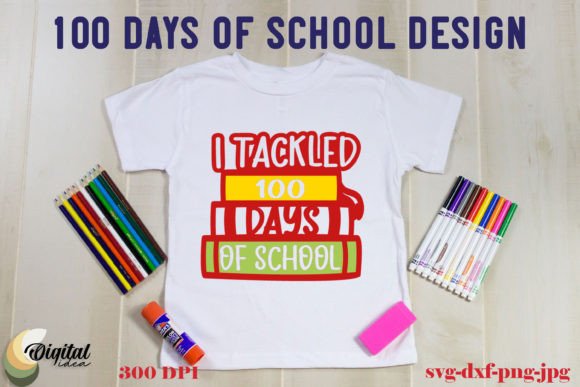
SVG 100 Days of School
A Designer’s First Look: Friendly, Focused, and Ready for Real Stitches
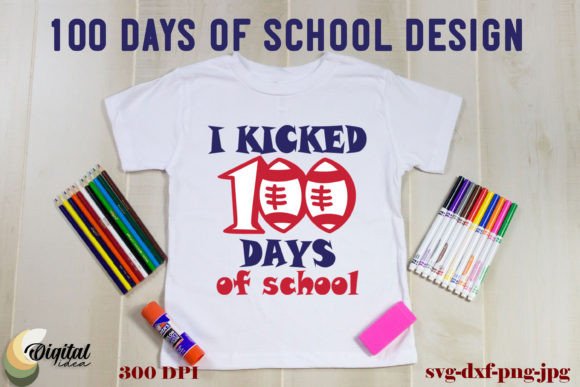
When I opened the SVG 100 Days of School file bundle, my first thought wasn’t “cute” — it was “clear.” The layout is centered, balanced, and intentionally spacious. There’s no visual clutter: just bold, rounded lettering spelling “100 Days of School,” often with a subtle star or apple motif tucked in — not overwhelming, but enough to signal celebration without sacrificing readability. It feels warm and inclusive, not childish or overly academic. That matters when you’re stitching this onto a baby onesie for a nursery announcement or embroidering it on a teacher’s tote bag for Back-to-School Night. This isn’t a design that shouts — it smiles confidently.
Where It Shines: From Classroom Keepsakes to Boutique Merchandise
I recently used SVG 100 Days of School to develop a small-batch run of embroidered canvas tote bags for a local preschool’s milestone event. The result? Parents paused mid-aisle to ask where they could order one. Why? Because the design scaled beautifully at 4.5 inches wide — large enough to read from across a hallway, yet compact enough to sit cleanly on the front pocket of a standard tote. It worked equally well on a lightweight cotton sweatshirt (with tear-away stabilizer) and on a linen-blend tea towel (using a light cutaway). As a machine embroidery design, its clean lines translate reliably into satin stitch borders and smooth fill stitch interiors — no jagged edges, no pixelated corners in the PNG or JPEG previews.
For Etsy sellers and craft fair vendors, this is low-risk, high-recognition appeal. Teachers, parents, homeschoolers, and school staff instantly recognize the theme — no explanation needed. That built-in resonance lifts perceived value. A customer doesn’t buy “a stitched phrase”; they buy a shared moment, a milestone marker, a piece of classroom pride. That emotional weight carries through to embroidered patches, pillow covers for kindergarten graduation gifts, and even personalized aprons for school cafeteria staff.
Where to Pause — Not Problems, Just Practical Checks
Like any solid embroidery file, SVG 100 Days of School asks for thoughtful execution — not magic. On highly textured fabrics like terry cloth or thick fleece, the fine interior details (like tiny star outlines or delicate serif flourishes, if present) may soften during stitching. On stretchy knits — think youth-sized t-shirts or baby bodysuits — skip direct hooping; use a firm cutaway stabilizer *under* and *on top* of the fabric to prevent puckering around the letterforms. And while the design looks crisp in black thread on white fabric, test it in navy thread on charcoal heather sweatshirts: contrast drops, and some subtlety in the letter spacing can blur.
It’s also not ideal for ultra-small hoop sizes (<3 inches) without simplification. If you’re planning caps or curved surfaces like baseball hats, check whether the original SVG includes a simplified version — or be prepared to adjust kerning and reduce stroke weight manually before digitizing. Dense fill areas (like solid-letter versions) will require careful stitch density review to avoid stiffness on lightweight baby clothes. Always run a test stitch on scrap fabric matching your final product’s weight and drape.
Design Integrity Meets Commercial Reality
What makes SVG 100 Days of School stand out among T-Shirt Designs and Graphics isn’t novelty — it’s reliability. As a digital embroidery file, it delivers consistent proportions across SVG, DXF, and EPS formats. That means your vector-based embroidery software won’t distort the baseline or compress the “100.” The included JPEG and PNG files are sharp enough for printable mockups — essential if you’re listing on Etsy or updating your Instagram shop with realistic lifestyle shots. And because the composition avoids excessive layering or overlapping elements, it translates cleanly into applique design workflows too: think fabric-backed patches for school spirit packs or iron-on versions for quick classroom giveaways.
For small shop owners and creative entrepreneurs, this design supports brand consistency without demanding custom illustration time. Pair it with a simple monogram or date stamp in your shop’s signature font, and you’ve got a cohesive line of holiday embroidery, graduation keepsakes, or end-of-year teacher appreciation bundles — all anchored by a trustworthy, recognizable core graphic.
Your Embroidery Designer Checklist Before Stitching
- Test first: Run a full-size stitch-out on scrap fabric matching your final product’s fiber content and weight.
- Check contrast: View the design in black-and-white mockups against both light and dark backgrounds — especially if selling digitally.
- Confirm stabilizer match: Lightweight cotton? Tear-away. Stretchy knit? Cutaway + topping. Terry cloth? Medium cutaway + water-soluble topping.
- Inspect small details: Zoom into corners, serifs, and connecting strokes in your embroidery software — look for unintentional overlaps or gaps.
- Review licensing: Since this is a commercial embroidery file, verify usage rights before selling finished products or bundling it as part of a digital embroidery collection.
- Validate hoop fit: Measure your intended hoop size against the design’s maximum width/height — don’t assume “medium” fits all machines.
- Assess thread colors: Try three options — classic navy, school red, and soft sage — to see which best supports handmade presentation and giftability.
Final Thought: A Workhorse Design With Heart
SVG 100 Days of School won’t win awards for avant-garde typography — and it shouldn’t. Its strength lies in clarity, warmth, and quiet professionalism. It stitches cleanly, sells intuitively, and fits naturally into real-life embroidery projects: from a last-minute embroidered patch for a PTA fundraiser to a carefully curated nursery decor set. For designers, crafters, and small business owners who value substance over flash, this is the kind of graphics asset that earns repeat use — not because it’s flashy, but because it works, every single time.